The short answer: the best time is the one the tide allows. The longer answer depends on what you want to see and on the time of year.
The tide decides the departure time
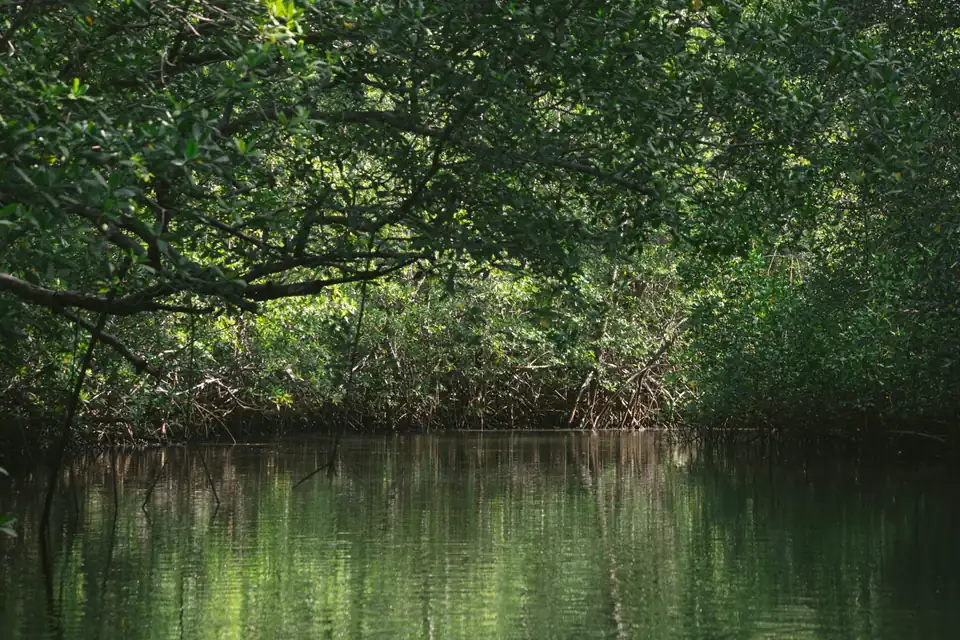
The estuary is a tidal river mouth. When the tide is low, some channels become too shallow for the boat or the kayaks; when the tide rises, the water goes deep into the mangrove and the boat can follow it. That is why there is no fixed timetable: departure times move every day with the tide. When you book, choose the part of the day you prefer and we confirm the exact time by WhatsApp.
Morning or afternoon?
- Morning: cooler, softer light and very active birds. Howler monkeys are often louder early in the day.
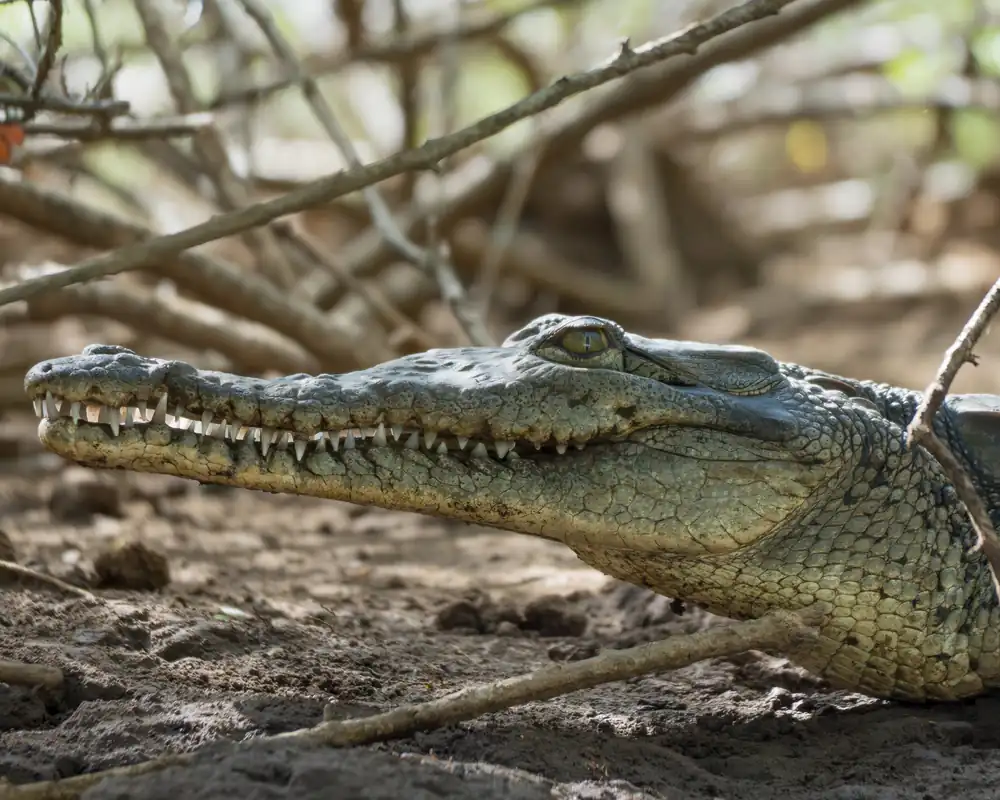
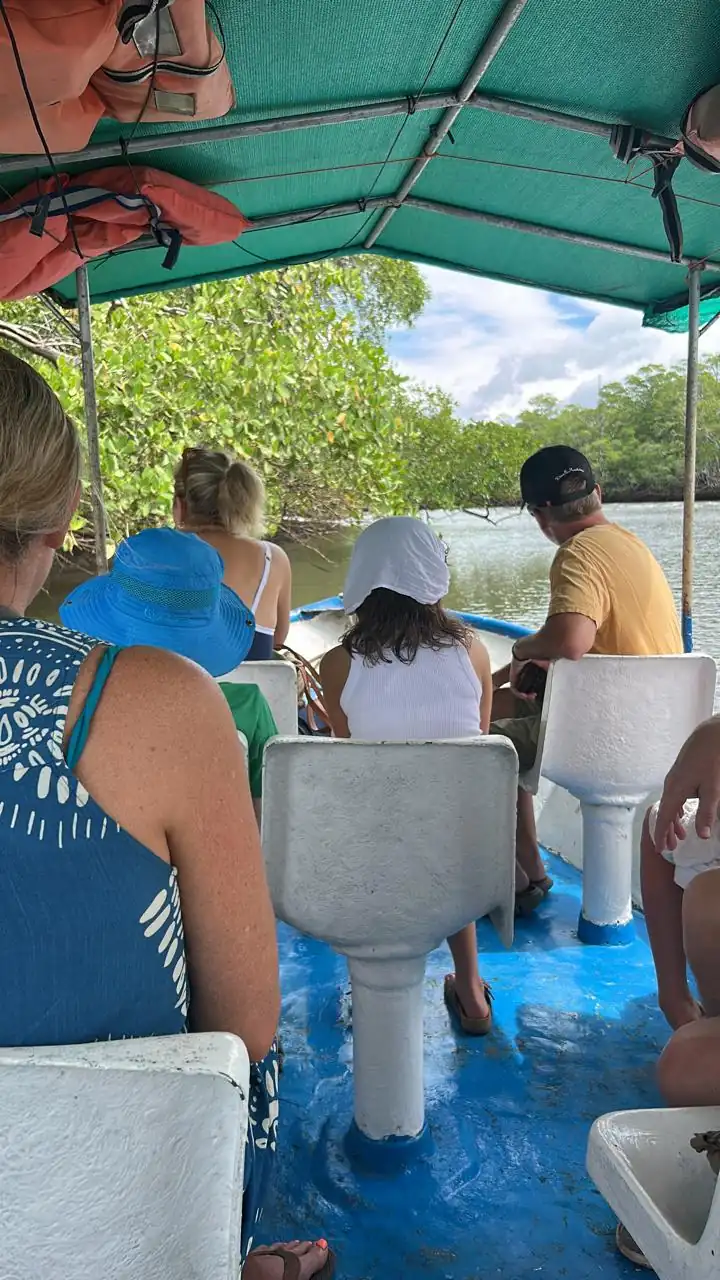
- Midday: hotter, but crocodiles often lie on the banks warming up, and the covered boat gives shade.
- Afternoon: warm golden light for photos and a calmer town when you come back.
Any time of day can be a great trip. The animals live there, so they are around in the morning and in the afternoon.
Dry season or green season?
In Guanacaste the dry season runs roughly from December to April: sunny days, little rain and lots of birds gathering where there is water. The green season, roughly May to November, brings afternoon showers, greener mangroves and fewer visitors. Tours run all year; in the green season a morning departure usually stays drier.
Combine it with the rest of your day
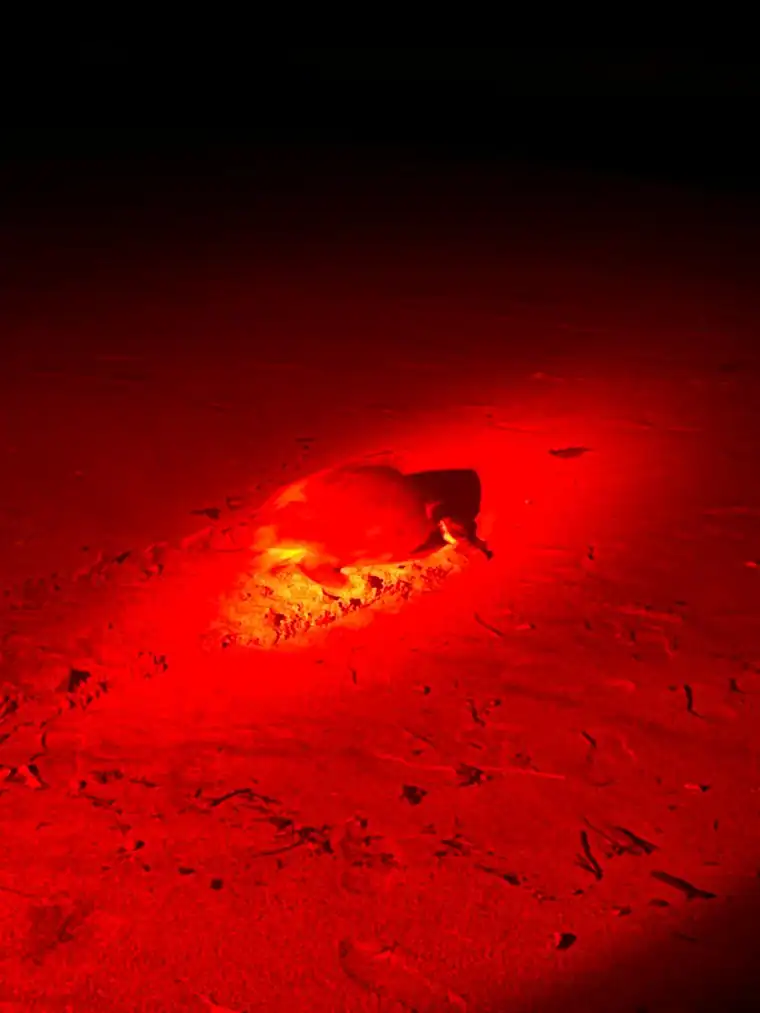
The estuary tour lasts about two hours, so it fits before a beach afternoon or after a surf lesson. Between October and March you can also add a turtle nesting tour at night.
Updated November 9, 2026 · Written with the Conchita Tours guides.
Questions
What time does the Tamarindo Estuary tour start?
It changes every day with the tide. Pick morning, midday or afternoon when you book and we confirm the exact time by WhatsApp.
Can you do the estuary tour in the rainy season?
Yes, tours run all year. In the green season, morning departures are usually drier.